


Why We Love Starting at the Very Beginning
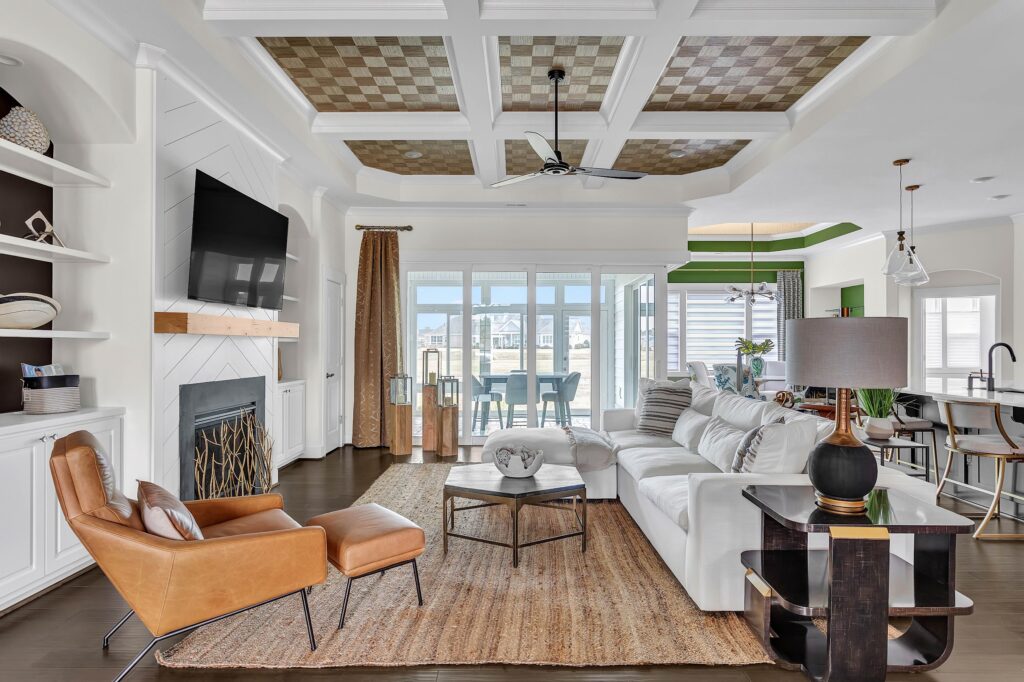
| Let’s Start At The Very Beginning If you’re building a new home or tackling a major remodel, the design process can feel overwhelming before the walls even go up. Construction moves quickly, decisions stack up, and many homeowners aren’t sure when—or how—to bring a designer into the conversation. Many construction clients call us with a sense of urgency. The builder is asking for decisions. Selections are due. Stress is creeping in. And while we are always glad to help, the truth is this: our very best work happens when we are invited in early—long before construction begins. Read on as we share a more thoughtful, intentional approach to design during new construction and remodels—one that reduces stress, supports the building timeline, and results in a home that functions beautifully and tells your story from the very beginning.  Design Starts with How You Live Before we ever talk about tile or lighting, we start with how a home needs to function for the people who will live there. Questions like: Will your dining room comfortably seat ten people, or does a wall need to move? Do you host large family gatherings, or prefer quiet evenings at home? How do you move through your kitchen during a busy morning? Where do shoes, bags, and groceries naturally land? These are not decorative questions. They are blueprint questions. And once a home is framed, many of these decisions become far more difficult—or impossible—to change. When a designer is involved early, we can work alongside your architect and builder to ensure the bones of the home truly support your life.  The Order Matters (More Than You Think) One of the most common misconceptions in new construction is that interior design begins with furniture or finishes chosen later in the process. In reality, thoughtful design follows a very intentional sequence long before those selections are made. We begin with: – Cabinetry – Tile – Countertops – Hard finishes that shape the home visually and structurally From there, we move into: – Plumbing selections – Lighting (what we often call the jewelry of the home) Only once these foundational layers are established do we move into furnishings—sofas, chairs, rugs, and textiles—ensuring everything works together seamlessly.When clients call us late in the process, this order is often reversed out of necessity. That can lead to compromises, rushed decisions, and unnecessary stress for everyone involved.  Timelines Are Not Suggestions Builders work on tight, forward-moving schedules—and for good reason. But when design decisions lag behind construction timelines, pressure builds quickly. Ideally, we recommend meeting 3–6 months before breaking ground. This allows us to: – Finalize all hard finish selections ahead of the builder’s schedule – Provide clear, organized documentation – Eliminate last-minute scrambles and rushed approvals When decisions are made early, the build flows more smoothly—for the builder and the homeowner.  Furnishings Take Time, Too Another often-overlooked piece of the puzzle: furniture lead times.Custom and high-quality furnishings typically take 3–6 months to produce and deliver. When we are brought in early, we can transition into furnishings mode as soon as construction begins—placing orders while the home is being built. The result? A home that is ready for installation the moment the builder hands over the keys. No months of echoing rooms. No temporary solutions. No waiting.  A Better Way Forward If you are planning a new construction or major remodel, the most generous gift you can give yourself is time. Time to think. Time to plan. Time to create a home that truly works for your life. When designers, builders, and homeowners are aligned from the beginning, the process becomes calmer, clearer, and far more enjoyable.And the result is not just a finished house—but a home with a story worth living in.  BOOK A DISCOVERY CALL Warmly,    As NC prepares for the February 2026 Festival of Freedom, explore free virtual resources giving insight to the Wilmington Colonial life. The Burgwin-Wright Museum does charge for a tour of their wonderfully restored Colonial House, however their outdoor historic gardensand Virtual Visits are at no additional cost. Enjoy learning more with the America 250 NC’s fascinating brochure about Colonial People in NC. And although the NC Museum of History in Raleigh is closed for renovation, their inventive Interactive Colonial Virtual Tour is a treasure trove of knowledge including green circles for embedded videos and a ruler that has an ability to measure artifacts. This is only available through the end of this month. Wilmington and Beaches FAVORITE FINDS  1. A dedicated project binder or accordion file For plans, finish schedules, allowances, and notes from meetings—having one “home” for everything reduces stress instantly. 2. Graph paper or a scaled notepad Great for rough furniture layouts and understanding room proportions before walls are finalized. 3. A measuring tape (kept in your car or bag) You’ll use it more than you think—especially when imagining furniture and clearances. 4. Sticky notes or page flags in multiple colors Simple, but effective for marking must-decide items, questions for your builder, or options you’re unsure about. 5. A small notebook just for questions New construction brings questions at odd moments. Writing them down keeps them from getting lost (or keeping you up at night). |
CATEGORY
2/06/2026


COMMENTS